“It is essential that you share YOUR story!”
I hear the above statement often (and have probably said the same) , but it is missing a piece, as this picture reminds me:
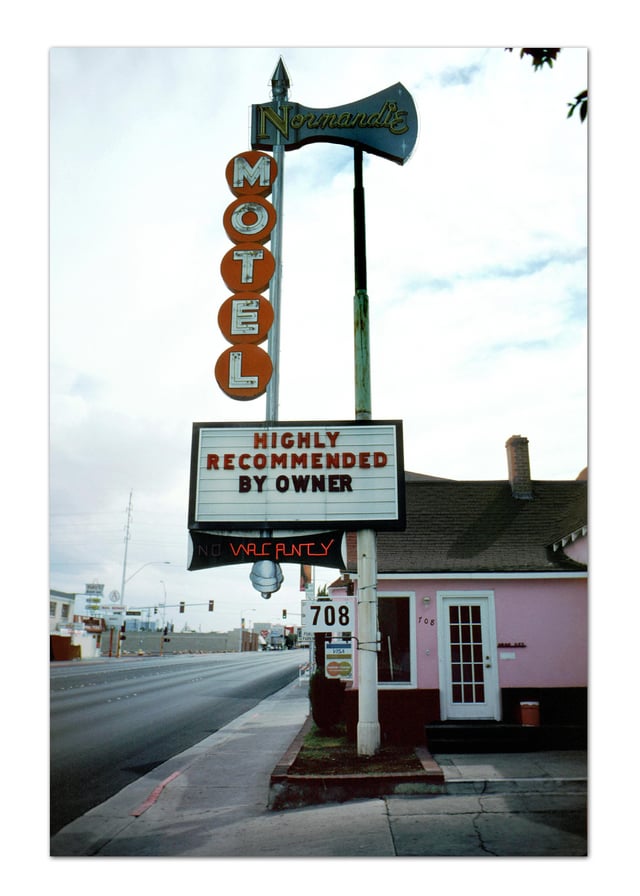
Every organization is often “highly recommended by the owner,” but it is also essential to encourage those you serve to share their experiences and learn from their input on how to make it better.
This is one of the reasons I was never really interested in the “branding” conversation regarding education.
There was something a little off-putting about the idea, although I understand the sentiment. Many schools are trying to attract students, and their social media is often filled with their best stories, but that doesn’t make those stories an overwhelming experience for those who attend.
Those stories can be the experience, but not necessarily.
I have said before that some of the most “innovative” parts of some school districts are their communications teams. They might paint a great picture of the school experience, but if a child comes home and says, “School sucks!” that will discount any social media post that same family consumes.
The story you tell is not as important as the one you create together with your community. That is not about “buy-in” or “commitment” but true ownership. I am more likely to advocate for something I helped build!
Telling the story is not as important as creating and “doing” the story together.
This is also not to say that schools that don’t share their story don’t already have amazing experiences.
There are so many incredible schools, teachers, classrooms, and staff who are so focused on doing the work and creating incredible learning experiences that they struggle to find time to share their experience. As a speaker, I do not tend to post too often about my events because I am doing my best to be present with the participants. I promise you that some of the best teachers in the world are people you have never heard of because they are focused 100% on doing their job, and that is not something that should ever be looked down upon.
And people love being in those schools and classrooms. But too often, we hear the loud, negative few, rarely hearing the overwhelming positive feedback from the majority.
As I learned from a dentist, the majority might need a little coaxing.
In “Forward, Together,” I share a time I had to visit an emergency dentist, which is not my favorite place to be.
After the procedure, I said to the front desk, “I just want to let you know that I hate dentists, and you, you weren’t horrible.”
That was my compliment to the business in an experience I did not want to have, but it went way better than expected.
She then kindly asked if I would leave them a review on Google and pointed to a QR code that made it easy to do so. I gave them 5 stars within a few minutes.
If I weren’t asked, I wouldn’t have done it.
Many people (including myself) have overwhelmingly great experiences and say nothing, then have one negative experience and often say something. The coaxing was needed.
The strategy I learned from this particular dentist is something a school could definitely implement.
I share the following in the book, in a conversation encouraging a school leader to do something similar, even though they weren’t necessarily interested in the idea.
“Well, our community knows our school is good, so we don’t really need to worry about what it says online.”
That might be true, but what about someone new to your community?
I am not advocating for encouraging people to say something they don’t believe.
But I am advocating for people to share things they believe in that they don’t often share.
Of course, you need to share your story, but “recommended by owner” is not the feedback families are often looking for. They want to hear from those who will eventually occupy the same seats.
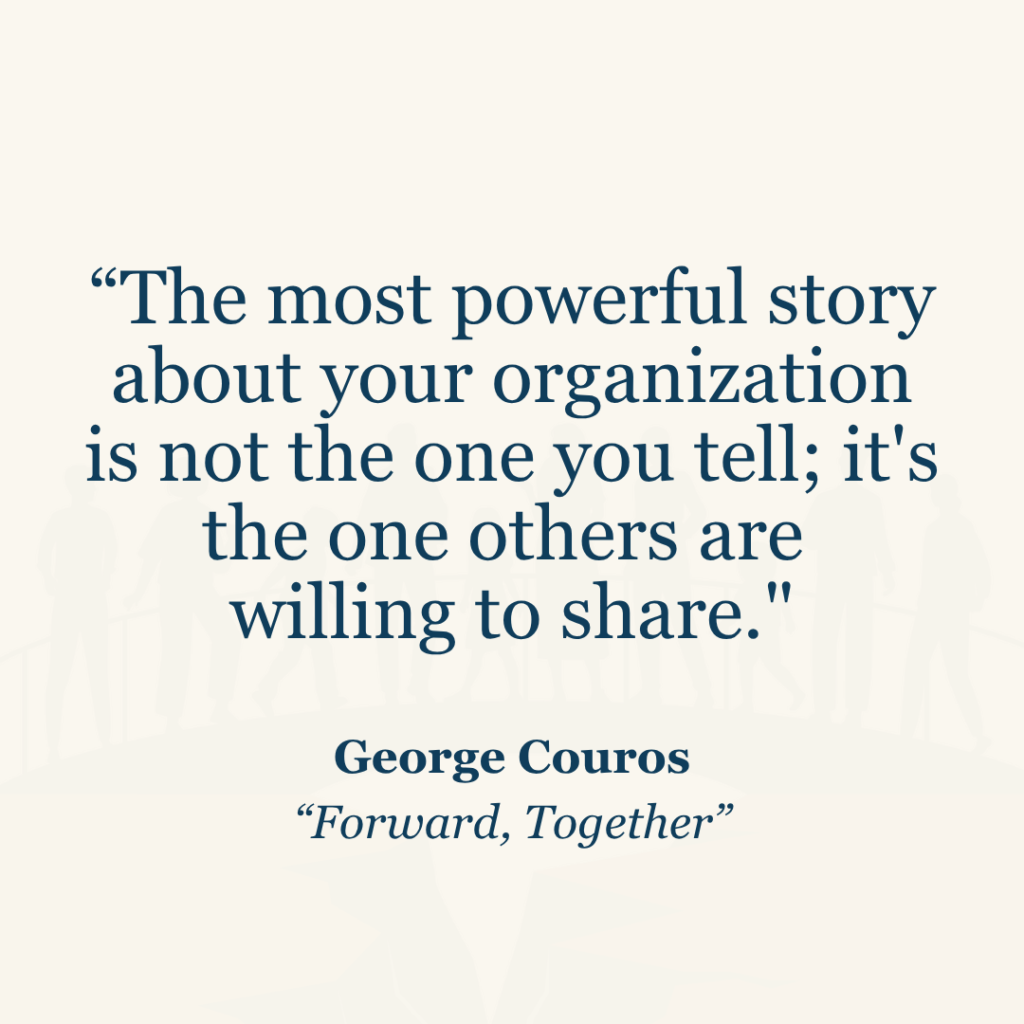
The most powerful story about your organization is not the one you tell; it’s the one others are willing to share.
Their experiences are the ones others are often most interested in.
If you are looking for more ideas and strategies like this on building true ownership in your community, I hope you will check out “ForwardTogether: Moving Schools from Conflict to Community in Contentious Times.”
And although this book is highly recommended by the “owner,” I encourage you to check out the reviews on Amazon here!